

30 January 2022
How is PVC Made?


Understanding the PVC Production Process
Vinyl compounds are used in everyday products and cover a wide range of applications. They cover applications from medical product to industrial and automotive parts. Although PVC products are common, most people might not be aware of the PVC manufacturing process or how it is made.
PVC is considered one of the most versatile thermoplastic materials in modern manufacturing due to its durability, flexibility, and cost efficiency. It can be engineered to meet the needs of different industries, making it a preferred material for both rigid and flexible applications. From construction materials to consumer goods, PVC continues to play a major role in global production.
Steps and Natural Resources Used in the PVC Production Process
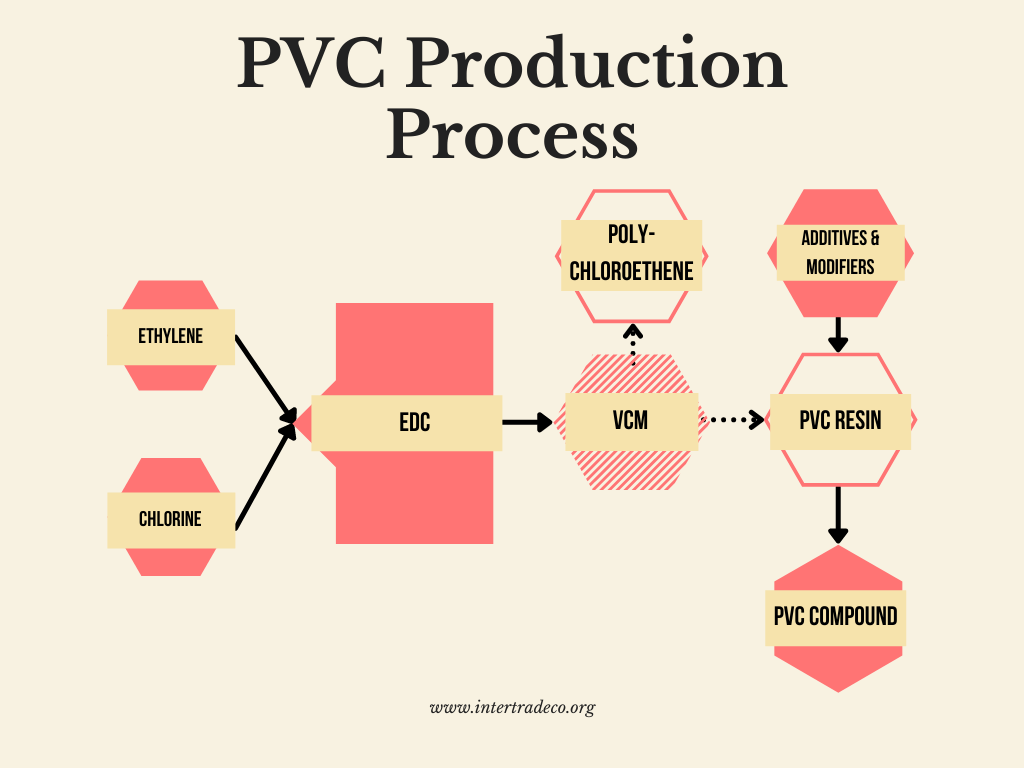
Salt and oil are the most essential and basic natural resources used in the production of PVC. Sodium chloride (Salt – NaCl) then electrolysis to produce chlorine. This process is achieved by sending a strong electrical current through saltwater solution resulting in a change in its molecular structure. Thus, producing a mixture that chlorine is withdrawn from.
A reliable PVC company understands that the quality of raw materials directly impacts the final product’s performance. High-purity chlorine and carefully sourced petroleum derivatives ensure that the resulting PVC material maintains consistency, strength, and excellent processing characteristics.
The combination of ethylene, a natural gas or petroleum cognate, is contrived with chlorine to produce ethylene dichloride. This element is achieved through the thermal cracking process; the ethylene is put under extreme pressure and converted at high temperatures causing changes in the molecular weight of the chemical, achieving vinyl chloride monomer (VCM).
The resulting VCM serves as the foundation for multiple industrial applications. Manufacturers can further customize this base material into specialized formulations depending on the required flexibility, hardness, temperature resistance, and chemical durability.
The Final Stages of PVC Production
In the final stage, vinyl chloride molecules go through a process called polymerization. Accelerating agents and catalysts are then added to a polymerization reactor alongside a vinyl chloride monomer. After applying pressure and heat, PVC resin chains are produced and separated from the water.
Modern manufacturers use advanced quality-control systems during polymerization to ensure consistency in particle size, density, and resin purity. These factors significantly influence the final processing performance and product quality.
After producing pure PVC, additives are used to stabilize further and condition its usage for suitable production characteristics. Additives are then considered depending on the preferred PVC physical characteristics. However, some essential additives are used to enable the production of PVC resin.
PVC Compound Products and Specialized Applications
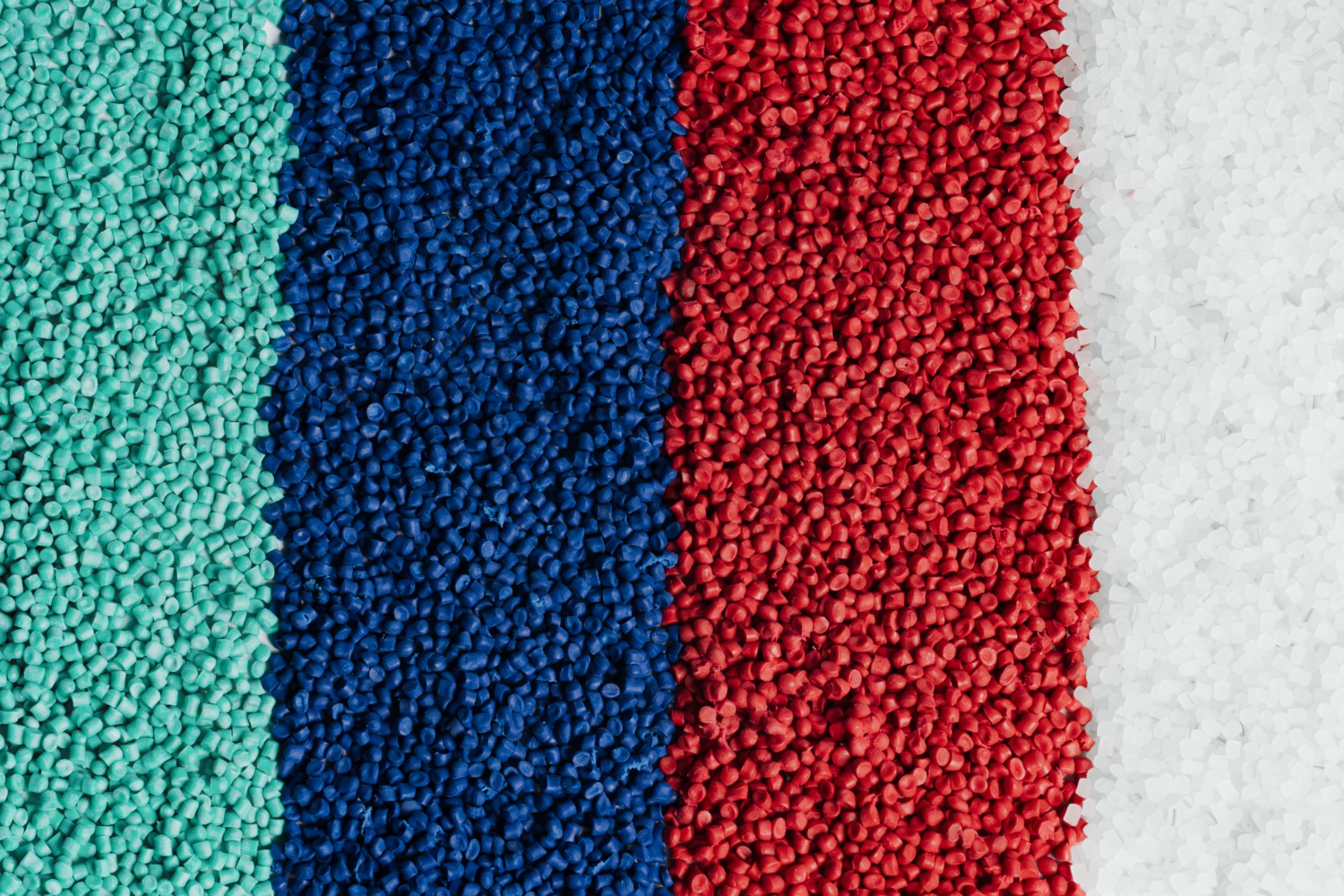
PVC Compound Products are developed by combining PVC resin with carefully selected additives such as stabilizers, plasticizers, fillers, and lubricants. These compounds are designed to deliver specific mechanical and physical properties suited for targeted industrial applications.
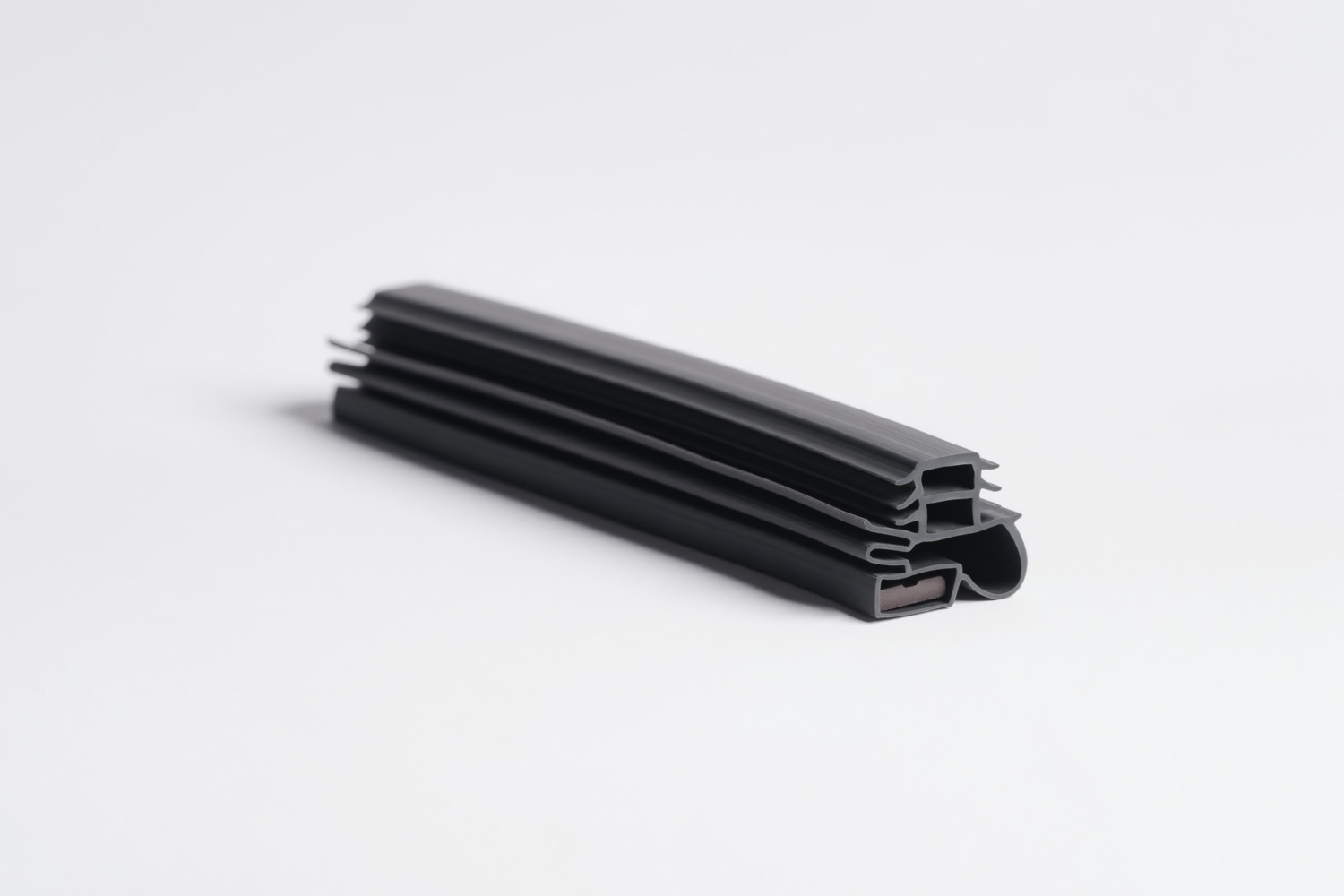
Among the most important specialty products in the market are Magnetic Profiles, which are widely used in refrigeration systems, door sealing applications, and industrial closures. These profiles require precise compounding to achieve both flexibility and strong magnetic performance over long-term use.
Another critical application includes PVC gaskets, which are designed to provide effective sealing, insulation, and protection against moisture, dust, and temperature fluctuations. High-quality PVC gaskets are essential in automotive, construction, and appliance manufacturing due to their durability and resistance to wear.
PVC Production at Intertrade
At Intertrade, we have been dedicated for decades to producing the highest quality PVC products and assisting our customers to decide the most suitable product consolidations. By using the highest quality additives and machinery, we can achieve a high level of material enhancements and durability that position our products at a high market standard. In addition, our team can aid our customers by providing visionary solutions to their problems.
Our production capabilities allow us to develop tailored PVC solutions for diverse industrial requirements. By continuously improving our formulations and manufacturing processes, we ensure our customers receive reliable products that meet international quality standards.
Contact Intertrade
For customized PVC solutions and expert consultation, Contact us to learn more about our manufacturing capabilities, specialized compounds, and product range. Our team is ready to help you identify the best material solution for your business needs.