

30 April 2026
PVC Compound Consistency: How Formulation Control Prevents Seal Failures


Refrigerator and freezer door gaskets serve as the primary thermal barrier between a cold cabinet interior and the ambient environment. A severely deteriorated door seal forces the compressor into constant overtime and increases electricity consumption by up to 30 percent.
Many sealing problems begin at the material level. A refrigerator gasket may look intact, but small deviations in the PVC compound used during production can alter its flexibility. These material changes directly affect gasket stability over years of repeated door openings. Inconsistent quality translates into higher energy costs, increased warranty claims, shorter compressor lifespans, and a poor brand reputation for appliance manufacturers.
In this blog, we will explain how these profiles create an airtight seal, the strict performance requirements of gasket-grade materials, and the variables that determine batch consistency.
The Formulation of Gasket-Grade PVC
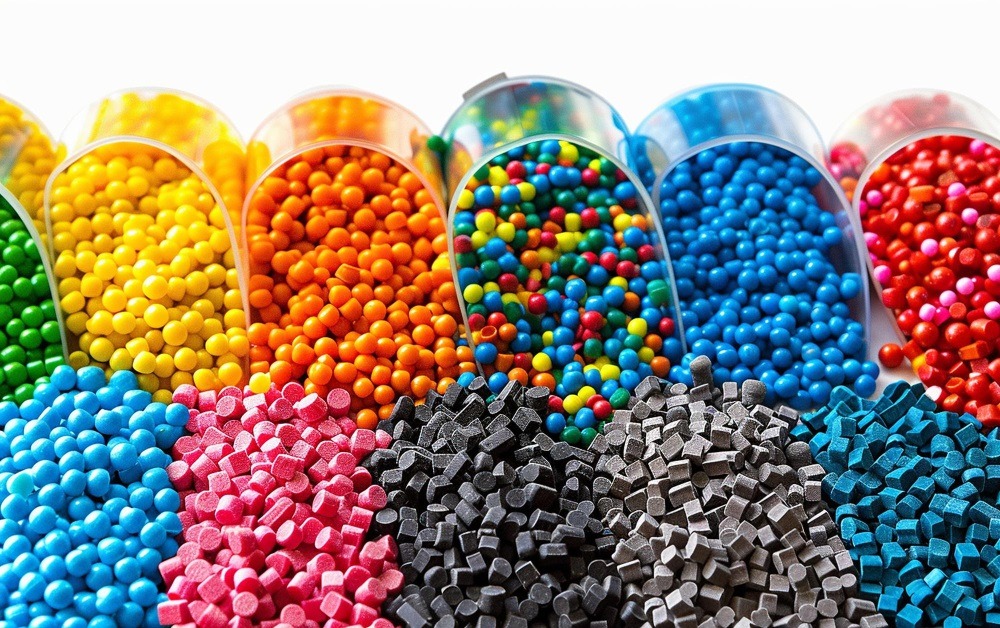
PVC resin on its own is rigid and brittle. To transform it into a flexible refrigerator gasket, manufacturers combine the base resin with specific additives. The performance of the final PVC compound depends on the ingredients used and how they interact within the formulation:
• Plasticizers: Chemicals that sit between polymer chains to soften the PVC matrix and provide the flexibility PVC needs for gasket compression.
• Heat Stabilizers: PVC releases hydrogen chloride during heating (at compounding and extrusion). Stabilizers prevent this reaction from damaging the polymer chains, which allows the compound to maintain its mechanical properties during manufacturing.
• Fillers: Materials like calcium carbonate and talc adjust hardness and density. Certain fillers can absorb heat-stabilizer molecules, so technicians should carefully manage their addition to maintain thermal protection.
• Lubricants: Internal lubricants help separate polymer pellets during mixing and blending. External lubricants reduce friction against processing equipment.
• Pigments: Color additives provide visual consistency and can also contribute additional UV resistance to the finished product.
Learn more about selecting the correct material profile by reading our blog, ” How to Choose the Right PVC Gasket for Your Application.
Performance Specifications for Refrigerator Gaskets
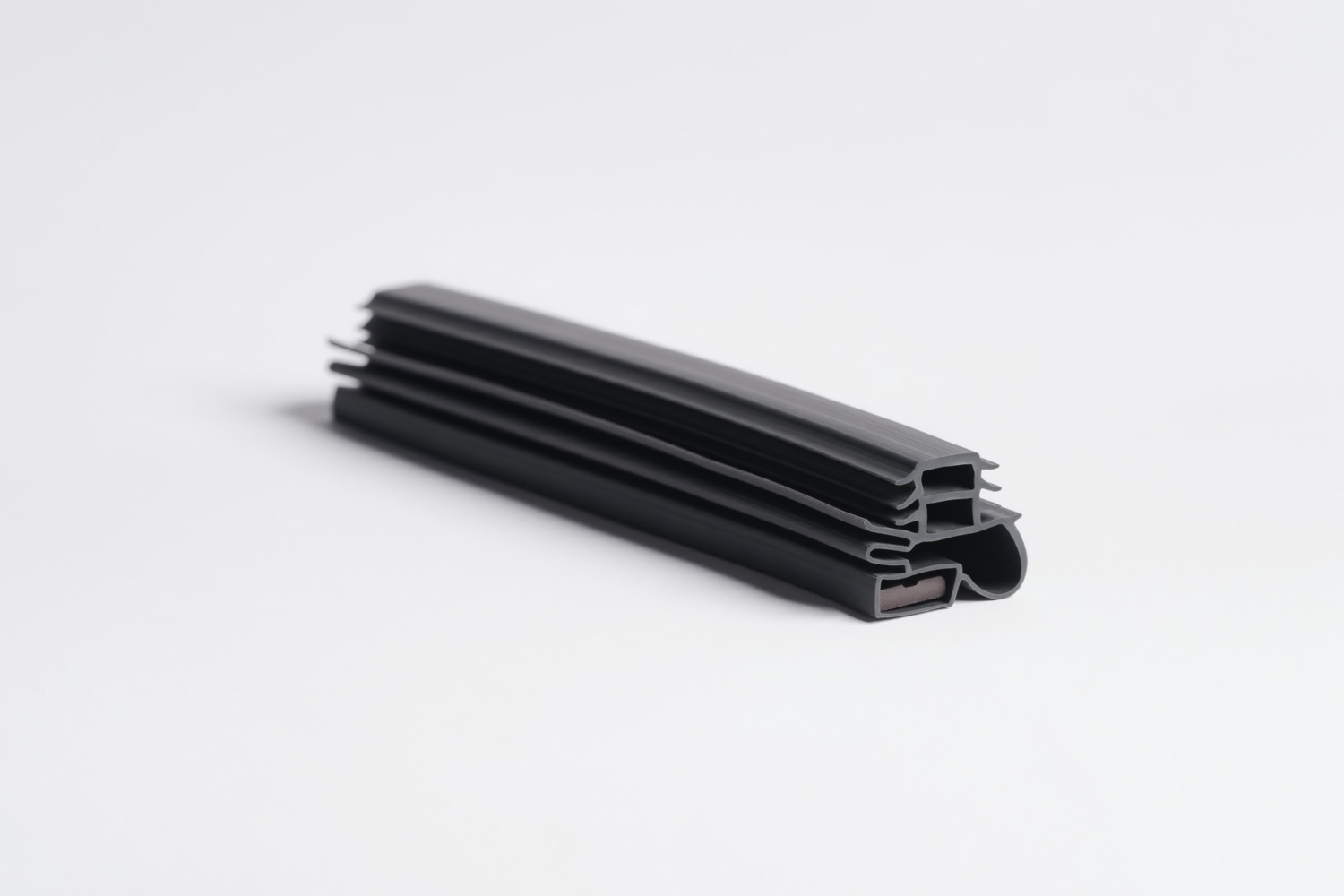
A typical refrigerator gasket is a flexible profile embedded with a magnetic strip. The magnet attracts to the steel body of the appliance and pulls the lip against the cabinet flange, which creates an airtight closure. This specific design maintains energy efficiency without requiring mechanical latches.
PVC gasket manufacturers evaluate several physical properties to support long-term gasket stability:
• Hardness: Hardness determines how firmly the gasket presses against the cabinet surface. Compounds that are too soft may lose sealing pressure, and overly hard materials may not compress properly along the cabinet flange.
• Tensile Strength: The material must meet a minimum of 8.6 MPa at low temperatures and 10 MPa at high temperatures. This strength allows the profile to withstand installation stresses and daily door movement without tearing apart.
• Elongation at Break: This measurement reflects how much the material can stretch before failure. High elongation values (250%) allow the gasket to compress repeatedly and adapt to small surface variations along the cabinet edge.
• Plasticizer Migration: Plasticizers provide flexibility to the PVC matrix. If plasticizers migrate out of the compound too quickly, the material becomes rigid and loses its ability to form an airtight seal.
• Temperature Resistance: Refrigerator and freezer gaskets should stay flexible at low temperatures while also tolerating warmer conditions during manufacturing and transport. The compound must maintain stable mechanical properties throughout this temperature range.
How Formulation Inconsistency Causes Seal Failures
1. Compression Set and Loss of Elastic Recovery
A compression set is the permanent deformation that happens when a gasket is compressed for a long period of time. Refrigerator doors open and close thousands of times during the life of an appliance, so the gasket must repeatedly return to its original shape after each cycle.
If the PVC gasket formulation doesn’t have the correct balance of plasticizers, stabilizers, and fillers, the material can gradually lose its elasticity, and over time, the gasket will remain partially flattened. This creates small gaps between the seal and the cabinet flange, allowing warm air to enter the refrigerator. This condition increases the thermal load within the appliance and can reduce the durability of the freezer gasket.
2. Plasticizer Migration
Plasticizers are not chemically bonded to the PVC polymer, so they could migrate out of the material over time (especially during overheating). When migration happens too quickly, the material becomes progressively harder and more rigid. A rigid gasket can’t adapt to small surface irregularities, which causes sealing pressure to drop. Precise formulation control prevents the rapid loss of these softening agents.
3. Stabilizer Insufficiency and Thermal Degradation
Insufficient stabilizer levels cause the polymer chains to degrade during manufacturing or after years of appliance operation. Certain fillers like calcium carbonate can adsorb stabilizer molecules, reducing the effective stabilizer present in the matrix below the required specification. If the formulation lacks enough heat protection, the usable lifespan of the refrigerator gaskets drops significantly.
These types of failures illustrate why maintaining tight control over formulation and processing conditions is critical for producing a reliable magnetic PVC seal.
Maintaining Batch Consistency During Mixing
Compounding and mixing account for roughly 90% of processing problems in plastics manufacturing. Producing a reliable PVC compound requires strict control of several variables:
• Accurate Ingredient Weighing: Total additive weight tolerance should remain within 2 grams. Stabilizers and lubricants are highly sensitive to minor deviations.
• Batch Size and Mixer Capacity: The quantity of raw materials must match the mixer equipment’s capacity. Proper batch size ensures that the compound forms a stable mixing vortex, allowing ingredients to disperse evenly.
• Temperature Management: Overheating damages polymer chains, and insufficient heat prevents proper distribution of additives. The drop temperature varies with the type and amount of plasticizer used.
• Standardized Sequencing: Different chemicals interact with the resin at specific stages. Adding ingredients in a standardized order guarantees uniform dispersion.
Working With an Experienced PVC Compound Manufacturer
As one of Egypt’s largest producers of specialized polymer blends, Intertrade manufactures custom refrigerator gaskets to our clients’ exact specifications. Our team focuses on careful raw material selection, exact processing parameters, rigorous quality testing, and standardized mixing cycles. This discipline guarantees uniform Shore hardness, tensile strength, elasticity, and thermal stability across every batch.
For custom formulation requirements or technical guidance, get in touch with our team today.